Tight access garden specialists for Station Road Seastham
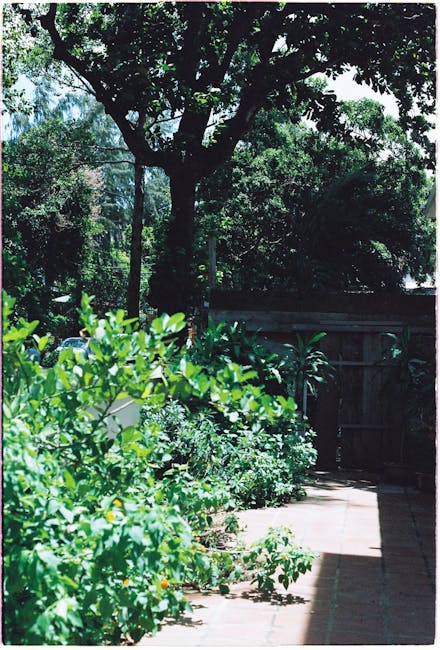
If you live on Station Road in Seastham and your garden feels more like a puzzle than a project, you are not alone. Narrow side passages, awkward rear entries, shared access, low walls, delicate paving, and the general headache of getting tools or waste in and out can turn even a simple tidy-up into a bigger job than expected. That is exactly where Tight access garden specialists for Station Road Seastham come in. The right team understands how to work carefully in confined spaces, protect surfaces, move materials efficiently, and still leave the garden looking properly finished.
This guide explains what tight access gardening actually involves, why it matters, how a specialist approach works, and what to look for before you book. It also covers practical steps, common mistakes, and a realistic view of methods, safety, and expectations. If you are weighing up whether to tackle it yourself or bring in help, this should make the decision a bit clearer. Honestly, tight access jobs are one of those things that look easy until the wheelbarrow won't fit through the gate.
Why Tight access garden specialists for Station Road Seastham Matters
Tight access jobs are not just "small garden jobs with extra effort." They need a different way of planning. On a typical residential street, access might be straightforward enough. But when the only route to the back garden is a narrow passage, a steep step, or a gate that opens halfway and sticks in wet weather, every movement takes more thought. A specialist approach reduces damage, saves time, and prevents the kind of accidental mess that can spoil the whole experience.
For Station Road properties, the practical issue is often the same: limited room to manoeuvre. That can affect everything from mowing and hedge trimming to clearing old timber, lifting soil, or taking out overgrown shrubs. The challenge is not just getting in. It is also getting out again with green waste, cuttings, tools, and debris without leaving paths muddy or fences scuffed. A knowledgeable crew plans for the access first, then the garden work second. That sounds obvious, but it is the difference between a smooth visit and a frustrating one.
There is also a trust element. When access is tight, the margin for error is smaller. You want people who know how to carry equipment safely, work around neighbours, and protect surfaces like brick edging, turf, slabs, or decking. If the garden has recently been improved, or if you are pairing the job with landscaping support or routine garden maintenance, that careful handling matters even more.
In short: tight access is not an inconvenience to be ignored. It is the core condition of the job. Once that is understood properly, the whole project becomes easier to price, easier to schedule, and usually easier to finish to a decent standard.
How Tight access garden specialists for Station Road Seastham Works
A good tight access garden visit usually starts before anyone steps into the garden. The specialist will want to understand the route in and out, the width of gates or side passages, where materials can be staged, and whether there are likely pinch points such as low branches or narrow turns. In many cases, a simple photo or short description is enough to identify the main challenges. Sometimes, though, a proper on-site look is the safest way to avoid assumptions.
Once the access plan is clear, the work is broken down into stages. For example, a garden clearance might begin with removal of larger loose items, then cut-back of overgrowth, then bagging or loading waste in smaller, easier-to-carry loads. That keeps movement controlled. It also stops the crew from repeatedly dragging bulky material through the same narrow route. In practice, that can save a surprising amount of time.
The methods used depend on the garden. A narrow city-style strip garden calls for different handling than a long rear garden with a slim alley. You may see:
- smaller tools instead of oversized kit
- sectional removal of waste rather than one big clearance
- careful path protection where ground is soft or valuable
- noise and access coordination with neighbours
- additional planning for trees, hedges, or awkward boundary lines
If the job includes heavy growth, the team may coordinate with tree lopping and removal or hedge trimming work to open up the space before the finer garden tasks begin. That sequence often makes a huge difference. You clear the obstacle first, then do the neat work after. Simple, but effective.
And yes, there is a bit of choreography to it. Not glamorous, perhaps, but very real. One person may handle cutting, another may collect, and another may keep the access route clear. The job feels small from the outside. Inside, it is often a tidy little logistics exercise.
Key Benefits and Practical Advantages
The main benefit of using tight access garden specialists is that the work gets done without unnecessary damage or stress. That sounds broad, but it breaks down into some very practical gains.
| Benefit | Why it matters in tight access gardens | What you notice on the day |
|---|---|---|
| Better planning | Access constraints are considered before tools and waste arrive | Fewer surprises and less back-and-forth |
| Reduced risk of damage | Narrow routes leave little room for error | Cleaner paths, fewer scuffs, less chance of broken edging |
| More efficient waste handling | Waste can be moved in manageable sections | Less clutter, smoother progress |
| Cleaner finish | Specialists tend to work in a more controlled sequence | The space looks more deliberate and properly tidied |
| Less personal effort | You do not have to shift awkward cuttings yourself | Much less lifting, dragging, and repeat trips |
There is also a quieter advantage: peace of mind. When a garden is difficult to access, people often put off the job because they are worried about how messy it will be. Fair enough. Nobody wants to spend a Sunday afternoon wrestling thorny branches through a gap the width of a biscuit tin. Having the right specialist removes that mental block and gets the job moving.
For properties that need a broader refresh, these services can also support follow-on improvements like lawn mowing or more comprehensive garden clearance. That helps if the space has become overgrown and needs more than one quick tidy.
Who This Is For and When It Makes Sense
This service makes sense for a surprisingly wide range of homeowners and landlords. The obvious group is anyone with a narrow side path, gated rear access, or a garden reached only through the house. But there are several other scenarios where tight access expertise is especially useful.
- Terraced homes with limited rear entry or shared passageways
- Older properties where access routes were never designed for modern equipment
- Newer homes with compact urban plots and slim boundaries
- Rental properties where the garden has been left unmanaged between tenancies
- Gardens with heavy overgrowth blocking the normal route
- Homes with fragile finishes such as decorative paving, timber decking, or planted borders
It also makes sense when time matters. If you need the garden brought under control before a sale, a tenancy inspection, a family event, or work on the outdoor space, you probably do not want a long trial-and-error approach. You want a team that can read the access quickly and get on with it.
People sometimes think, "It's only a small garden, how hard can it be?" That's fair at first glance. But small gardens with tight access can actually be more awkward than larger ones. Less room often means more handling, more careful movement, and more risk of knocking into something. The scale is smaller, but the frustration can be bigger. Funny how that works.
Step-by-Step Guidance
If you are booking help for a tight access garden, here is the most practical way to approach it.
- Assess the access first. Measure gates, passages, steps, and turns. Note anything fixed that may get in the way, such as handrails, outdoor taps, or bin stores.
- Identify the main garden tasks. Is it a clearance, a tidy-up, hedge work, mowing, tree reduction, or a mix of all of them?
- Take photos from the entrance and the garden side. This helps the specialist judge what tools and handling methods are likely to work.
- Decide how waste will leave the site. A route that works for one bag may not work for ten. That matters more than people expect.
- Protect the surfaces that matter. If there are slabs, narrow brick paths, or delicate timber features, ask how they will be protected during movement.
- Confirm whether the job needs phased work. Sometimes the best outcome is a sequence: clear the access, trim the growth, then refine the finish.
- Check what happens after the job. Will waste be removed, stacked for collection, or left neatly bagged? Clarify this early.
If you are trying to compare service levels, it can help to review a provider's wider approach through pages such as services overview and pricing and quotes. Those pages often give a better sense of how a company handles scope, expectations, and the practical side of booking.
One more thing: be honest about the access. If the route is awkward, say so plainly. Specialists would rather hear "the gate barely opens" than arrive and discover it the hard way. Saves everyone a headache.
Expert Tips for Better Results
Here are the things that tend to improve outcomes on tight access jobs, based on simple real-world practicality rather than fancy theory.
- Clear the route before the team arrives. Move bikes, bins, plant pots, and anything loose that narrows the passage. It sounds small, but it helps.
- Tell the specialist about surface concerns. Newly laid slabs, soft lawn edges, or weak fence panels should be flagged early.
- Choose the right time of day. If access crosses a shared area, a quieter period can reduce awkwardness with neighbours. Morning often works well, though not always.
- Ask how tools will be brought in. Small jobs sometimes need compact tools rather than larger machinery. That is normal.
- Separate the work into priorities. If the garden is very overgrown, agree what must be done first and what can wait for a second visit.
- Think about waste volume in advance. A pile of cuttings can grow quickly, especially after hedge or tree work.
A useful rule of thumb: the less movement space you have, the more important the sequence becomes. Clear, cut, collect, finish. Not the other way round. It is very easy to make a neat job feel chaotic by rushing the order.
Expert takeaway: In tight access gardens, good results usually come from better planning, not bigger equipment. The winning formula is controlled movement, clear sequencing, and respect for the space.
And if the garden has been neglected for a while, do not be embarrassed. Truth be told, that is common. A lot of people wait until the access feels almost impossible, then finally decide to get it sorted. No judgement. Just start with a proper plan.
Common Mistakes to Avoid
A few missteps show up again and again with compact or awkward-access gardens. They are easy to avoid once you know them.
- Booking without describing the access properly. "Back garden" is not enough. The width, turns, and obstacles matter.
- Assuming all tools will fit. That can lead to delays on the day.
- Leaving waste handling until the end. In tight spaces, waste logistics should be part of the job from the outset.
- Not checking neighbour impact. Shared entrances and party boundaries may need extra care.
- Overlooking fragile features. Decorative stones, low fencing, and timber edges are easy to mark if people are not careful.
- Trying to force a standard garden approach. Some jobs need smaller sections, slower pacing, or a different sequence. That is fine.
One of the biggest mistakes is underestimating the time needed to move materials safely. A job can look tiny, then spend half its time just navigating the access route. Not because anyone is being slow, but because careful is faster than clumsy. Usually.
If the work overlaps with maintenance or a larger tidy-up, ask how the provider handles ongoing care and repeat visits. A page like garden maintenance is often useful if you want to keep things under control after the initial clear-out.
Tools, Resources and Recommendations
For tight access gardening, the right tools are usually the ones that are compact, versatile, and easy to carry. There is no prize for bringing the biggest kit if the gate says otherwise. The sensible setup depends on the job, but common practical choices include hand tools, light cutters, folding options, manageable waste bags, and protective items for pathways or edges.
Recommended things to think about include:
- Compact cutting tools for hedge, shrub, and overgrowth work
- Small transport containers for cuttings and debris
- Gloves and eye protection suitable for brambles, thorny stems, and flying debris
- Path protection materials where surfaces are valuable or easily marked
- Manual handling aids for awkward loads and repeated movement
If your garden job may involve hard-to-reach edges, overgrown branches, or reshaping, the specialist may combine access planning with services like hedge trimming or tree lopping and removal. That is often a better route than treating every problem as a separate visit.
For homeowners who also want a more attractive end result rather than just a clean-up, it can be worth discussing landscape gardening or even smaller improvements through decking services once the access problem is under control. One job clears the way for the next. That's often how a tired garden starts to feel like part of the home again.
Law, Compliance, Standards, or Best Practice
For garden work in the UK, especially where tools, lifting, waste, and possible tree work are involved, the main thing is to follow sensible safety practice. You do not need to know every technical rule to make a good choice, but you should expect a professional team to work carefully, communicate clearly, and avoid putting people or property at unnecessary risk.
Best practice usually includes:
- using appropriate personal protective equipment where needed
- managing manual handling rather than forcing heavy items through narrow gaps
- keeping access routes clear of trip hazards
- being careful around neighbours, shared paths, and boundary lines
- checking whether any tree work or substantial removal needs extra attention before starting
For more detail on how a provider thinks about safe working, it is sensible to review their public policies such as health and safety policy and insurance and safety. You are not looking for legal jargon. You are looking for signs that they take the basics seriously: planning, protection, and sensible working methods.
Waste handling and recycling also matter. Where possible, green waste should be sorted, reused, or disposed of responsibly. A page like recycling and sustainability can help you understand how a provider approaches that side of the job. Small detail, maybe. But it says a lot.
And if you ever feel the quote or job scope is unclear, it is perfectly reasonable to ask questions before work begins. Clear expectations are not fussiness. They are best practice.
Options, Methods, or Comparison Table
There are usually a few ways to handle a tight access garden. The best choice depends on how restricted the space is and how much work needs doing. Here is a simple comparison.
| Approach | Best for | Pros | Limitations |
|---|---|---|---|
| Single-visit tidy-up | Light overgrowth and small waste volumes | Quick, straightforward, usually less disruptive | Not ideal for heavily congested spaces |
| Phased clearance and maintenance | Gardens that need opening up first | Safer flow, cleaner outcome, easier to control | May take longer overall |
| Specialist access-led clearance | Very narrow entries, awkward turns, fragile surfaces | Lowest risk of damage, most adaptable | Needs good planning and clear communication |
| Broader landscaping project | When the garden needs redesign as well as access-sensitive work | Improves function and appearance together | More moving parts, more decisions |
For many Station Road properties, the phased approach ends up being the sweet spot. It is practical, not flashy. First make the space workable, then improve it properly. You do not always need the biggest intervention. Sometimes a measured, two-step plan gives the best balance of cost, access, and result.
Case Study or Real-World Example
Here is a simple example based on a common kind of job. A homeowner had a rear garden reached through a narrow side passage with a tight turn near the bins. The garden itself was not huge, but the access made every task awkward. The hedge had become dense, the lawn was patchy, and cuttings had built up over time. Nothing dramatic, just one of those gardens that had quietly got on top of the owner.
The sensible approach was to avoid bringing in bulky equipment. Instead, the work was planned in sections. The overgrowth was reduced first to create more space. Waste was bagged in smaller loads so the passage stayed usable. Once the route was clearer, the final tidy-up became much easier. The result was not only a cleaner-looking garden, but one that felt usable again.
The key lesson was pretty straightforward: the garden did not need brute force. It needed sequencing. That is often the hidden win with tight access work. You solve the access issue, and suddenly the rest of the job behaves itself.
It also meant the owner could keep on top of things later without dread. That matters more than people admit. A garden should be something you enjoy looking at, not a monthly argument with a wheelbarrow.
Practical Checklist
Before you book, run through this quick checklist. It will save time and reduce the chance of awkward surprises.
- Have I measured the narrowest access point?
- Do I know whether the route includes steps, turns, or low obstacles?
- Have I described the garden condition clearly?
- Do I know whether the job is clearance, maintenance, pruning, or a mix?
- Have I mentioned fragile surfaces or recent improvements?
- Will waste need to pass through shared or public-facing spaces?
- Have I asked how the specialist handles path protection?
- Do I want a one-off tidy-up or a longer-term maintenance plan?
- Have I checked the provider's approach to safety and insurance?
- Am I clear about what will be removed and what will be left behind?
If you can answer most of those, you are in good shape. If not, that is fine too. It just means you need a bit more detail before the visit. Better now than mid-job.
Conclusion
Tight access garden work is one of those jobs where experience really shows. The garden may be small, but the thinking behind the job has to be smart. Good specialists look at the route, the risk, the waste, the tools, and the finish as one connected process. That is what makes the result feel calm and controlled rather than rushed and messy.
For Station Road Seastham properties, a tailored approach can make all the difference. Whether you need a careful tidy-up, heavier clearance, hedge work, or a broader refresh, the right planning turns an awkward outdoor space into something manageable again. And that is often the first real step toward making the garden feel like yours.
Get a free quote today and see how much you can save.
When a difficult garden becomes workable again, it changes the whole feel of the home. A bit less stress. A bit more space. That's a good outcome, really.
Frequently Asked Questions
What do tight access garden specialists actually do?
They handle garden work in spaces where entry, movement, or waste removal is awkward. That can include narrow side passages, restricted rear access, shared walkways, and gardens with delicate surfaces that need extra care.
Can you work in a garden if the only access is through the house?
Yes, often you can, provided the route is safe and agreed in advance. The key is careful planning so tools, debris, and foot traffic do not create unnecessary mess indoors.
Is tight access garden work more expensive?
It can be, because it may take longer and require more careful handling. The exact cost depends on the task, the size of the space, the amount of waste, and how restrictive the access is.
What should I tell the gardener before they arrive?
Tell them about the narrowest points, steps, gate widths, awkward turns, shared access, fragile paving, and any overgrown sections. Photos are often helpful too, especially if the route is hard to describe.
Do tight access jobs always need special equipment?
Not always. In many cases, the best solution is smaller tools, better sequencing, and more manual handling rather than larger machinery. Sometimes simple really is better.
Can hedge trimming or tree work be done in tight spaces?
Yes, though it often needs more care. Dense hedges or overhanging branches can actually be the reason access is tight, so trimming or removal may be part of opening the space up safely.
What happens to the waste from the garden?
That depends on the service agreement, but waste is usually bagged, removed, or managed in a way that suits the access route. It is sensible to confirm this before work starts so there are no surprises.
How do I know if my garden is too awkward to work on?
Very few gardens are impossible. The question is usually whether the route can be managed safely and efficiently. If you are unsure, a specialist can usually judge from photos or a short visit.
Should I choose a one-off clearance or ongoing maintenance?
If the garden has only recently got out of hand, a one-off clearance may be enough. If it tends to build up quickly, ongoing garden maintenance is usually easier and less stressful over time.
What is the biggest mistake people make with tight access gardens?
Under-describing the access. People often focus on the garden itself and forget the route in and out. In practice, that route is half the job, sometimes more.
Can tight access work include decking or landscaping improvements?
Yes, but only if the access and the scope are planned properly. A tight route can limit what materials or methods make sense, so it is worth discussing the broader project early if you want more than a tidy-up.
How can I keep the garden easier to manage after the first visit?
Regular maintenance is the simplest answer. A lighter, more frequent approach keeps growth under control and prevents the access problem from becoming a major barrier again.
If you are comparing providers, it can help to review their wider approach to service, safety, and pricing, then make your decision with a clear head. No rush, no drama. Just a better plan for a garden that has probably waited long enough.