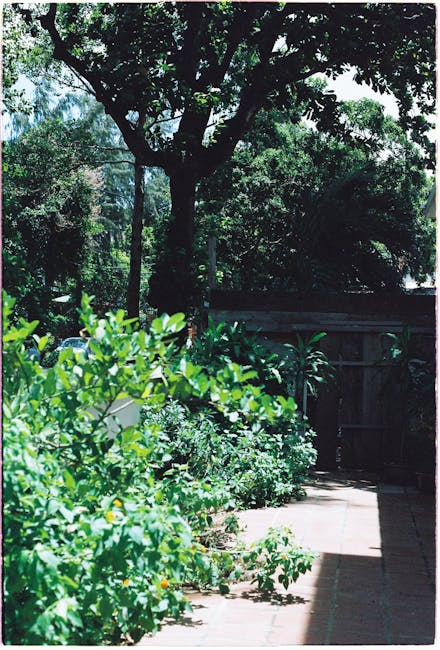
Gardeners for Seastham High Street gardens and courtyards: practical local care for compact outdoor spaces
If you live, work, or manage property near Seastham High Street, you already know the challenge. Gardens and courtyards in this kind of setting can be lovely, but they are rarely simple. Space is tight, access can be awkward, privacy matters, and every bit of planting needs to earn its keep. That is exactly where Gardeners for Seastham High Street gardens and courtyards come in: steady, practical help that keeps small outdoor areas tidy, healthy, and usable without turning them into a full-time job.
In a courtyard, the details matter more than the size. A few neglected pots, a mossy path, or an overgrown shrub can change the whole feel of the place. The right gardening support can make a courtyard feel calm, welcoming, and surprisingly spacious. This guide breaks down how the service works, who it suits, what to expect, and how to get the best results from local garden care. It also covers safety, best practice, common mistakes, and a few useful checks before you book anything.
For a broader look at available support, you may also find the services overview helpful, along with the company's notes on pricing and quotes if you are weighing up costs and scope.
Table of Contents
- Why Gardeners for Seastham High Street gardens and courtyards Matters
- How Gardeners for Seastham High Street gardens and courtyards Works
- Key Benefits and Practical Advantages
- Who This Is For and When It Makes Sense
- Step-by-Step Guidance
- Expert Tips for Better Results
- Common Mistakes to Avoid
- Tools, Resources and Recommendations
- Law, Compliance, Standards, or Best Practice
- Options, Methods, or Comparison Table
- Case Study or Real-World Example
- Practical Checklist
- Conclusion
- Frequently Asked Questions
Why Gardeners for Seastham High Street gardens and courtyards Matters
Gardens off a busy high street tend to face a very different set of pressures from suburban lawns or larger back gardens. Think shade from neighbouring buildings, wind tunnelling through narrow gaps, roots competing under paving, and more foot traffic than you would like. Courtyards can also be overlooked by residents or tenants because they are "small enough to deal with later". That usually means later becomes never. And then the weeds move in. Very politely, of course.
Regular garden care is not just about appearances, although appearances do matter, especially for rentals, hospitality spaces, offices, or shared residential buildings. It is also about keeping circulation routes clear, preventing slippery surfaces, controlling plant growth before it becomes awkward, and making sure small planted areas stay healthy through the seasons. A compact outdoor area that is properly maintained is easier to enjoy and cheaper to rescue than one that has been left too long.
In practice, many local courtyards need a measured approach rather than heavy intervention. There is often no room for trial and error. You want someone who understands pruning cycles, container planting, drainage issues, and the simple truth that a courtyard can look "finished" with surprisingly little material if it is cared for well.
Expert summary: In small high street gardens and courtyards, good gardening is less about dramatic change and more about consistency, restraint, and the right timing.
How Gardeners for Seastham High Street gardens and courtyards Works
The work usually starts with a quick assessment of the space. That might sound basic, but it matters. A gardener needs to understand access, sunlight, soil or container conditions, any boundaries, the condition of existing planting, and what the space is actually for. A courtyard used by a cafe, for example, needs a different rhythm from one used mainly by residents who want privacy and low maintenance.
From there, the job is typically split into practical tasks. These may include weeding, pruning, hedge or shrub shaping, deadheading, container care, seasonal planting, lawn care where relevant, leaf clearance, jet-wash or path tidying where appropriate, and a general reset. For many smaller spaces, the aim is not to endlessly add more. It is to sharpen what is already there so the area feels deliberate.
Some jobs are one-off restorations, especially when a courtyard has become congested or patchy. Others are scheduled visits, perhaps every one to two weeks in growing season, or monthly during quieter months. A good maintenance plan is simple enough to stick to. If it becomes too ambitious, people stop following it, which is a bit of a garden cliche but also true.
Communication is a big part of how it works. You may want to say what should stay, what can go, whether you prefer wildlife-friendly planting, how tidy you want the finish, and whether there are times of day when access is limited. For shared properties, it helps to define who signs off the work and who handles decisions about replacement plants or larger changes.
Key Benefits and Practical Advantages
There are plenty of reasons people look for local gardeners for courtyard and high street spaces, but the most useful benefits are very practical.
- Better first impressions: A clean, balanced courtyard instantly feels more cared for. That matters for visitors, tenants, customers, and staff.
- Less maintenance stress: A small space can still be surprisingly demanding. Regular help removes the nagging list of jobs that keep slipping.
- Healthier planting: Plants in containers or constrained beds need more attention than many people expect, especially with watering and feeding.
- Safer surfaces: Path edges, fallen leaves, algae, and overhanging growth can create slip or trip issues if ignored.
- Better use of limited space: In a courtyard, good layout and pruning can make the area feel twice as usable. Almost magical, really.
- More seasonal interest: A well-planned mix of evergreen structure, spring colour, summer planting, and autumn tidy-up gives the space momentum year-round.
There is also a quieter benefit that people sometimes underestimate: peace of mind. When the work is kept under control, you are not constantly looking at the same problem patch and wondering how it got like that. That alone can be worth a lot.
| Benefit | What it looks like in a courtyard | Why it matters |
|---|---|---|
| Tidy presentation | Trimmed edges, controlled growth, cleaned paths | Makes the space feel welcoming and well managed |
| Healthier planting | Deadheading, feeding, seasonal refreshes | Helps plants last longer and look better |
| Safer access | Clear walkways and reduced debris | Supports everyday use and reduces avoidable hazards |
| Lower long-term effort | Small, regular tasks instead of major catch-up work | Prevents the "everything needs doing at once" problem |
Who This Is For and When It Makes Sense
This kind of service is a good fit for a surprisingly wide range of people. You do not need a big garden to justify professional help. In fact, smaller spaces can be the ones that benefit most because there is less margin for neglect.
Homeowners often use gardeners for front courtyards, rear patios, shared access ways, or tiny gardens where they want a neat result without giving up weekends to it. Landlords and managing agents may need a reliable maintenance pattern for communal courtyards or access routes. Hospitality businesses may want outside areas to look sharp for guests, even if those spaces are more decorative than functional. And busy professionals simply want the place to look cared for without the guilt of unfinished jobs every time they step outside.
It also makes sense when the space has any of the following:
- overgrown shrubs that have outgrown the courtyard
- containers that dry out quickly or have tired soil
- paths or paving that are looking slippery or messy
- plants that need a proper seasonal cut-back
- a need for privacy from nearby windows or passing footfall
- limited access that makes DIY gardening awkward
If you have ever looked out at a small courtyard and thought, "I just need someone to sort this properly," you are probably the target audience.
Step-by-Step Guidance
Good garden care becomes much easier when the process is clear. Here is a straightforward way to think about it.
- Assess the space honestly. Look at what is working, what is failing, and what the courtyard needs most. Is it a tidy-up, a planting plan, a rescue job, or ongoing maintenance?
- Decide the purpose of the space. A courtyard for sitting, entertaining, or passing through will need different levels of finish and planting density.
- Map out access and constraints. Note gates, narrow entries, shared paths, water access, and any times when work should not disturb residents or customers.
- Agree the non-negotiables. Some plants stay, some go, some need cutting back rather than removing. Get that sorted early.
- Prioritise immediate wins. In most cases, clearing weeds, shaping plants, removing dead material, and cleaning borders deliver the biggest visual improvement fastest.
- Build a maintenance rhythm. Small, regular visits usually beat occasional big cleans. Less drama. Better result.
- Review seasonally. What works in May may be messy by September. Courtyard gardening needs adjustment, not autopilot.
A useful way to think about it is this: if the space looked good for two days after a big effort, the plan was too ambitious. If it looks acceptable most of the time, you are on the right track.
Expert Tips for Better Results
Over time, the best results usually come from the little things, not the dramatic ones. Here are a few practical tips that make a proper difference in compact outdoor spaces.
1. Use structure first. Evergreen shrubs, clipped shapes, trellis, or even well-placed containers can anchor a courtyard so it still looks intentional in winter. Without structure, the space can feel empty the minute the flowering season ends.
2. Keep planting simple. A small palette often looks better than too many mixed plants. Repetition can be calming. Three strong species used well usually outperforms ten random ones. Fancy? No. Effective? Yes.
3. Watch drainage. Courtyards often have hidden water problems because paving, walls, and containers all influence runoff. If pots sit in water or soil stays soggy, plants suffer and surfaces get grubby.
4. Prune for light, not just shape. In tight spaces, a bit of careful thinning can make the whole area brighter and more welcoming. You notice it straight away on a grey morning.
5. Think in sightlines. What do people see first when they step in? What do they see from upstairs windows? What do they see from the street? Courtyard gardening is as much about framing views as it is about plant care.
6. Leave some breathing room. Cramming every corner with planting can make a courtyard feel smaller. A little emptiness is useful. It lets the good bits breathe.
For sustainable upkeep and sensible waste handling, the site's recycling and sustainability approach is worth a look if you want your maintenance to feel more responsible as well as neat.
Common Mistakes to Avoid
Small gardens can hide big mistakes because everything is so close together. The wrong choice stands out faster too. Here are the ones that crop up most often.
- Overplanting: Filling every gap leads to crowding, poor airflow, and a courtyard that becomes hard to manage.
- Choosing plants for looks only: A plant can be beautiful and still be the wrong fit for shade, wind, or container life.
- Ignoring maintenance reality: If a planting scheme requires weekly attention but nobody has time for it, it will unravel.
- Letting pruning go too long: Once shrubs become leggy or unbalanced, bringing them back can take longer than expected.
- Forgetting access routes: A lovely courtyard is still inconvenient if bins, deliveries, or residents cannot pass safely.
- Using poor-quality soil in containers: Containers depend on their growing medium more than people think. Cheap fill dries out fast and leaves plants struggling.
To be fair, most of these mistakes happen because someone was trying to make the space look finished quickly. That is understandable. It just does not always hold up. The fix is usually calmer, simpler, and less crowded than the original plan.
Tools, Resources and Recommendations
For compact gardens and courtyards, the right tools matter because overpowered kit can do more harm than good. A smaller space rewards precision.
Useful tools and materials include:
- sharp secateurs for clean cuts on smaller stems
- lightweight shears for shaping without bruising foliage
- a reliable hand weeder for tight paving joints
- quality compost or potting mix for container refreshes
- mulch to help suppress weeds and retain moisture
- drip or watering systems where hand-watering becomes inconsistent
- gloves that still allow grip and dexterity
There are also a few service pages on the site that help with the practical side of choosing and booking work. If you are comparing options, start with the services overview and then check pricing and quotes so you understand how the scope is usually put together. If you want a sense of the team behind the work, the about us page is useful too.
For property managers, the housekeeping side matters just as much as the planting side. Having clear terms, proper communication, and a consistent point of contact can save a lot of friction later. Not glamorous, granted, but very useful.
Law, Compliance, Standards, or Best Practice
For most garden maintenance work, the key issue is not complex legislation so much as sensible practice, safety, and respect for shared spaces. If a courtyard belongs to a block, business, or managed property, access and responsibilities should be clear before work begins. That avoids confusion around waste removal, timing, storage of tools, and who approves any plant replacement or major pruning.
Where maintenance involves ladders, sharp tools, power equipment, or work near residents and visitors, it is sensible to expect a careful approach to safety and insurance. The site's health and safety policy and insurance and safety information are the kinds of pages you would normally check before work starts, especially for communal or higher-risk sites.
If you are responsible for a shared building, you may also want transparent service terms and payment processes. The pages on terms and conditions and payment and security help set expectations. That sort of clarity is not red tape for the sake of it; it just prevents awkward surprises.
Accessibility can matter too, especially in courtyards used by older residents or anyone with mobility concerns. A clear route, sensible edging, and tidy surfaces are not just cosmetic. They can affect how usable the space feels day to day. If needed, the company's accessibility statement gives a useful indication of that wider approach.
Options, Methods, or Comparison Table
Not every courtyard needs the same kind of attention. Choosing the right approach saves money, time, and a fair bit of frustration.
| Approach | Best for | Strengths | Watch-outs |
|---|---|---|---|
| One-off tidy-up | Overgrown or neglected courtyards | Fast visual improvement, clear reset | Can slip back without follow-up care |
| Regular maintenance visits | Homes, blocks, and businesses that want consistency | Keeps growth under control, easier to budget | Needs a realistic schedule |
| Seasonal refresh | Courtyards with containers or decorative planting | Good for spring and autumn changes | Less suitable for problem-heavy spaces |
| Low-maintenance redesign | Busy owners or shaded spaces with limited time | Reduces ongoing effort | Needs careful plant selection up front |
If you are unsure which method fits, ask yourself one blunt question: do you want the space rescued, maintained, or simplified? That answer usually points you in the right direction.
Case Study or Real-World Example
Here is a realistic example. A small courtyard behind a high street property had become a mix of tired pots, self-seeded weeds, and one very confident shrub taking over half the light. Nothing was catastrophically wrong, but the space had that slightly defeated look people recognise immediately. You know the one. The kind that says, "we meant to sort this."
The work started with clearing the paving edges, removing dead growth, and cutting the shrub back to a shape that still felt full but no longer blocked the view. Containers were emptied, refreshed with better compost, and replanted with a more restrained mix of evergreen structure and seasonal colour. A simple maintenance rhythm was then set: light touch-ups during the growing season, a fuller tidy before winter, and a check on drainage after heavy rain.
The result was not dramatic in a flashy sense. That was the point. The courtyard became brighter, easier to walk through, and much easier to keep looking presentable. It also felt more intentional, which matters more than people think. A tiny space can still feel generous if it is handled well.
Practical Checklist
Use this checklist before starting work or booking gardeners for a courtyard space.
- Confirm who owns or manages the space
- Decide whether the priority is tidy-up, maintenance, or redesign
- Check access times, gates, keys, and parking constraints
- List plants, features, and items that must be kept
- Note problem areas such as shade, poor drainage, or damaged paving
- Agree how waste will be handled and cleared away
- Choose the level of finish you want: neat, very tidy, or showpiece
- Ask how often follow-up visits are needed to keep it under control
- Review safety, insurance, and service terms before work begins
- Set a seasonal review point so the plan does not drift
Quick reality check: if the courtyard looks good only when nobody is using it, the setup probably needs adjusting.
Conclusion
Gardeners for Seastham High Street gardens and courtyards are about much more than cutting things back and pulling weeds. They bring structure, rhythm, and a sense that the space is cared for properly. In a compact courtyard, that care makes everything feel easier: easier to enjoy, easier to manage, and easier to keep looking good through the year.
The best results usually come from simple, consistent choices. Keep the planting realistic. Let the layout breathe. Stay ahead of growth instead of chasing it. And do not underestimate how much difference a tidy edge or a cleared path can make on an ordinary weekday morning. Small space, big effect. Honestly, that is the charm of it.
If you are comparing options, start with the service pages, check the practical details, and choose the approach that fits your space rather than forcing the space to fit the plan. That is usually where the good outcomes begin.
Get a free quote today and see how much you can save.
For the next step, you may want to review contact details or read more about the team on the about us page before making a decision. A little clarity now saves a lot of faff later.
Frequently Asked Questions
What do gardeners for Seastham High Street gardens and courtyards usually do?
They typically handle tidy-ups, weeding, pruning, planting refreshes, container care, path clearing, and ongoing maintenance. In a courtyard, the focus is often on keeping the space neat, healthy, and easy to use rather than making large-scale changes.
How often should a courtyard garden be maintained?
It depends on the planting and the season, but many small courtyards benefit from regular visits during the growing months and lighter checks in quieter periods. If the space has lots of containers or fast-growing shrubs, more frequent attention usually helps.
Is a one-off tidy-up enough for a small courtyard?
Sometimes, yes. If the issue is mainly overgrowth or seasonal mess, a one-off clean-up can make a big difference. If the space is exposed, heavily planted, or used daily, follow-up maintenance is usually the smarter choice.
Can a courtyard be made lower maintenance without losing the look?
Yes. The trick is to use tougher plants, reduce overcrowding, and build in structure with evergreen planting or containers. A good gardener will usually recommend simpler planting choices that still look polished.
What makes courtyard gardening different from normal garden care?
Courtyards are tighter, more visible, and often more affected by shade, drainage issues, and access restrictions. Because everything is closer together, each decision has a bigger visual impact.
How do I know if my courtyard needs professional help?
If the space keeps looking untidy no matter how often you nudge it back into shape, or if pruning, access, or plant selection feels beyond what you want to handle, it probably makes sense to bring in support.
Will gardeners remove waste after the job?
That should be agreed in advance. Waste handling is one of those details that seems small at first and then suddenly becomes the main question. It is worth checking before any work starts.
Do I need permission to change planting in a shared courtyard?
If the courtyard is communal or part of a managed property, yes, you should check who has authority to approve changes. That avoids disagreement later, especially if shrubs are removed or larger planting decisions are made.
What should I ask before booking a gardener?
Ask what is included, how access will work, how waste is dealt with, whether the work is one-off or ongoing, and whether safety and insurance are in place. Those questions are practical, not fussy.
Can gardeners help with privacy in a courtyard?
Yes. Careful pruning, trellis planting, container placement, and the right shrubs can all help improve privacy without making the space feel boxed in. It is often a balancing act, but a good one.
How do I choose between different gardening options?
Think about your main goal first: rescue, maintain, or simplify. Then match the service to the reality of the space. If you are still unsure, the services overview and pricing and quotes pages are useful starting points.
What if I want a more polished, presentable courtyard for visitors or customers?
Then consistency matters most. Regular edging, seasonal planting, clean surfaces, and restrained planting choices tend to create the sharpest result. For customer-facing spaces, little details carry a lot of weight.